Pet Dental Care: The Impact of Periodontal Disease to Your Dog’s Behavior
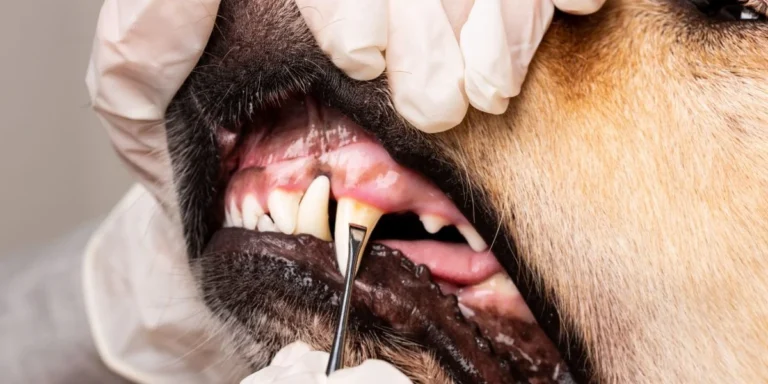
Have you ever watched your tail-wagging companion suddenly turn down their cherished snacks? It’s a heart-sinking moment for any pet parent, knowing these unexpected changes in behavior could be signaling something more.
In this heartfelt post, we’re diving into the silent woes of periodontal disease and its stealthy impact on your dog’s well-being. Stick with us as we unfold the pet dental care preventive steps to safeguard that endearing grin of your four-legged family member! Keep reading; because every wag deserves a happy smile!
Understanding Periodontal Disease in Dogs
Periodontal disease is a serious gum infection that damages the soft tissue and, without treatment, can destroy the bone that supports your dog’s teeth. It starts when bacteria in their mouth combine with food particles to form plaque on their teeth.
Over time, this plaque hardens into tartar, which is packed with bacteria. If unchecked, these harmful organisms cause inflammation known as gingivitis. As the condition worsens, it leads to periodontitis—an advanced stage where gums pull away from the teeth and form spaces called pockets.
These pockets collect debris and can become infected; this sets off a chain of events including chronic pain for our furry friends. The infection then takes a toll on their overall health by spreading beneath the gum line.
It attacks not just the gums but also erodes away at both roots and bones in your pet’s mouth—affecting more than just oral health but potentially causing other systemic issues due to increased bacterial presence within their body systems.
Main Causes of Periodontal Disease
- Poor Oral Hygiene – When we don’t brush our dog’s teeth regularly, plaque builds up and hardens into tartar, which can lead to gingivitis.
- Broken Teeth or Roots – These issues can create openings for bacteria to invade and form abscesses or infected sites within the mouth.
- Genetics – Some dogs are born with a genetic predisposition, making them more susceptible to dental issues.
- Diet – Soft foods tend to stick to teeth more than harder kibbles that assist in cleaning their teeth as they chew.
Signs Your Dog Has Gum Disease
- Bad breath
- Drooling or saliva tinged with blood
- Red or white swollen gums
- Difficulty chewing or sudden loss of appetite
- Loose teeth
The Importance of Pet Dental Care in Dogs
Ignoring your furry friend’s dental health can be a critical mistake, as their teeth are the gateway to their overall well-being. When we overlook pet dental care for dogs, it’s not just about avoiding bad breath—it’s about preventing distressing behavioral changes that can stem from the pain and discomfort of untreated periodontal disease.
Studies show that by the age of three, around 80-90% of dogs have developed some kind of periodontal disease. Just like in humans, untreated periodontal disease in dogs can lead to systemic diseases, as harmful bacteria grow and spread from the mouth to other parts of the body.
These bacteria can cause chronic pain and inflammation that not only affects your pet’s oral health but also their quality of life. By looking after your furry friend’s teeth, you help prevent painful conditions such as eroded gums, missing teeth, bone loss, and even more severe issues like heart or kidney diseases.
We all want our pets to live happy lives free from discomfort and illness. That’s why pet dental care is more than fresh breath—it’s a vital part of pet healthcare. Neglecting gum disease in dogs can result in behavioral changes due to chronic pain they experience from dental problems like broken teeth or abscesses.
Moreover, high-cost veterinary bills for advanced treatments can be avoided with regular maintenance of your dog’s pearly whites. Keeping up with routine brushing and professional cleanings supports not just good oral hygiene for dogs but also their happiness and well-being.
Common Behavioral Changes A Dog Goes Through With Periodontal Disease
- Becoming less playful or more lethargic due to chronic pain.
- Showing sensitivity or reacting negatively when touched around the face or mouth.
- Losing interest in food or eating less.
- Chewing on one side of the mouth due to discomfort.
4 Ways to Protect Your Dog From Periodontal Disease
1. Routine Teeth Brushing
Keeping your dog’s teeth clean starts with regular brushing. Aim to brush their teeth every day, just like we do for ourselves. Don’t worry if you can’t manage daily; even a few times a week can make a big difference in preventing periodontal disease and ensuring their dental health stays on track.
Tips for Brushing Your Dog’s Teeth
- Choose the Right Toothbrush – Choose one that’s soft and the right size for your dog’s mouth. Finger brushes are also available and can be easier to use.
- Use Toothpaste Specially Formulated for Dogs – Introduce your dog slowly to brushing by letting them taste the toothpaste first before gently brushing their gums and teeth.
- Praise Them! – Keep sessions short at first and gradually increase time as they get comfortable. Positive reinforcement makes the experience better.
Regular Professional Care
We understand the necessity of regular professional care to maintain our pets’ dental health, and veterinarian dental services play a crucial role in preventing periodontal disease. Here are the dental services you can expect when you bring your dog to the vet:
- Oral Examinations – We assess your dog’s teeth and gums and may use digital dental X-rays to detect hidden issues.
- Professional Cleanings – Scaling removes plaque and tartar, while polishing helps prevent future buildup.
- Advanced Procedures – Treatments such as extractions, periodontal therapy, or root canals may be needed for severe cases.
Diet Management
Managing our dogs’ diets is a critical step in preventing periodontal disease. Choosing the right food can help keep their teeth clean and reduce plaque buildup. Dry kibble is often recommended because it’s more abrasive against the teeth, which helps to remove plaque.
However, it’s essential to select high-quality dog food that provides complete nutrition without excessive carbohydrates that can contribute to dental plaque.
We also need to consider the texture of treats we give our furry friends. Soft treats may stick to teeth and encourage bacterial growth, so opting for dental chews or hard treats can be beneficial.
- Choose dry kibble to help reduce plaque buildup.
- Avoid overly soft treats that stick to teeth.
- Select high-quality, nutritionally balanced food.
- Use dental chews that support oral hygiene.
Safe Chew Toys and Treats
- Choose chews designed to reduce plaque and tartar buildup.
- Select the correct size to avoid choking hazards.
- Avoid hard plastics or sharp edges that may damage teeth.
- Opt for durable materials like rubber or nylon.
- Check for vet-recommended products when possible.
- Inspect toys regularly and replace worn items.
- Monitor your dog during chew sessions for safety.
How is Periodontal Disease Treated in Dogs?
Treating periodontal disease in dogs starts with a thorough dental exam by a veterinarian. They might use X-rays to assess the health of the jaw and teeth roots below the gumline. If an infection is present, antibiotics will help control it before proceeding with cleaning or surgery.
For severe cases, this may involve removing infected teeth to prevent further damage and relieve pain.
Dental cleanings performed under anesthesia allow vets to remove plaque and tartar buildup both above and below the gumline. Regular home care, including brushing your dog’s teeth, can slow down periodontal disease progression and support overall oral health for pets.
Advanced treatments like root planing or even reconstruction may be necessary for later stages of periodontal disease in dogs as part of comprehensive pet dental care.
FAQ’s
Are dental chews good for dogs?
Dental chews can play a crucial role in maintaining your dog’s dental health. They work by mechanically scraping the teeth to remove plaque and tartar as your dog bites and chews. This action mimics tooth brushing, helping keep their gums healthy and reducing bad breath.
It’s essential to select the right size and type of chew for your dog’s breed and chewing habits to ensure they are both effective and safe.
Many dogs find dental chews delicious, which makes them a convenient option for pet owners to incorporate into daily routines. However, it’s vital not to rely on these treats as the sole method of oral care.
Integrating dental chews with regular teeth brushing, professional cleanings, and a proper diet can significantly help prevent periodontal disease in pets, contributing positively to their overall well-being.
What is a routine dental cleaning for dogs?
While dental chews play a role in maintaining your dog’s oral health, nothing replaces the effectiveness of a routine dental cleaning. Think of it as a professional deep clean for your pup’s mouth that you can’t achieve with brushing or chewing alone.
During this procedure, veterinarians remove plaque and tartar build-up from your dog’s teeth. They often perform this task while the animal is under anesthesia to ensure thoroughness and safety for both the pet and veterinary staff.
A routine dental cleaning may also include checking for signs of periodontal disease, polishing teeth to smooth out any etches made by tartar removal, and sometimes taking X-rays to assess the jaw and tooth roots below the gumline.
The goal is not just fresh breath, but also preventing periodontal diseases that can lead to behavioral changes due to pain or discomfort in your furry friend’s mouth. Maintaining consistent oral hygiene through these cleanings forms an integral part of overall pet care, ensuring our dogs stay happy, healthy, and free from dental diseases that could affect their well-being.
How many times should a dog get their teeth cleaned?
Experts generally recommend that dogs have their teeth professionally cleaned at least once a year. This annual check-up allows veterinarians to remove plaque and tartar build-up that can lead to periodontal disease if ignored.
However, the specific needs for each dog may vary based on several factors, such as breed, age, diet, and overall health. Some dogs prone to dental issues or with a history of periodontal disease might require more frequent cleanings every six months or according to your vet’s advice.
Keeping these regular appointments goes a long way in preventing dental diseases and protecting your furry friend’s general well-being. Always consult with your veterinarian to establish an individualized dental care plan tailored specifically for your pet’s unique needs.
How many times a day should you clean your dog’s teeth?
Cleaning your dog’s teeth should be as regular as feeding them – aim for at least once daily. Just like our own dental routines, consistency is key to maintaining good oral health for pets.
By setting aside time each day to brush your furry friend’s teeth, you’re actively preventing the buildup of plaque and tartar that can lead to periodontal disease. Choose a soft-bristled toothbrush designed for dogs and toothpaste that’s pet-safe; never use human toothpaste because it can harm them.
We know life gets busy, but this small act of care has a big impact on your dog’s dental health and overall wellbeing. Start slowly if they’re not used to brushing, gradually increasing the time until it becomes part of their daily routine.
How painful is teeth cleaning for dogs?
Teeth cleaning for dogs can vary in discomfort, much like humans experience at their dental appointments. We make sure our furry friends feel minimal pain by using gentle techniques and sometimes sedatives or anesthesia during professional cleanings.
Dogs often tolerate the cleaning process well, especially when they’re handled with care by a skilled veterinarian who knows how to ease their anxiety. Regular cleanings not only keep your dog’s breath fresh but also prevent periodontal disease from causing severe pain and health issues later on.
Say Goodbye to Bad Doggy Breath Today!
Taking good care of our dogs’ teeth can prevent a lot of heartache later on. When we ignore their dental health, we might not notice the silent suffering that causes behavior changes.
Simple steps like brushing and regular vet visits are easy ways to keep those canine smiles bright. Remember, a healthy mouth leads to a happier, more playful pup ready for all life’s adventures.